
16 May Cerro Rico: The Mountain That Eats People
Cerro Rico: Exploring the World’s Highest Active Mine
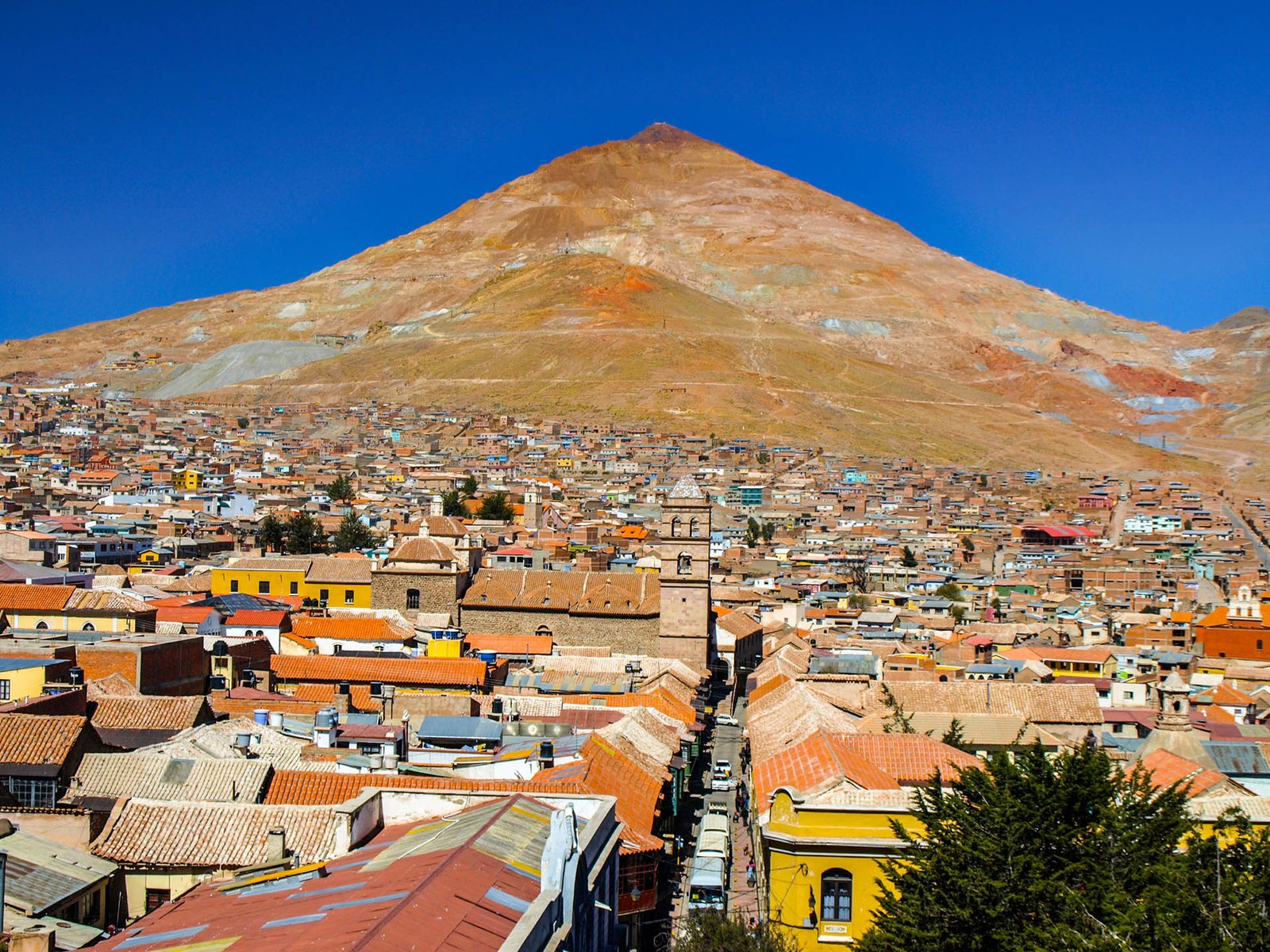
Cerro Rico is an active mine located in the city of Potosí, which proudly holds the title of the world’s highest major city at an impressive 4,090 meters above sea level. Tours to the mine run both in the morning and afternoon, and I opted for an afternoon tour arranged through my guesthouse reception. The cost was 70 Bolivianos (about $10 USD), which included an English-speaking tour guide.
The tour bus picked me up from the guesthouse shortly after 2 PM. Along with the other 10 passengers, we were given a briefing on what to expect for the afternoon. We learned that today’s tour would be a little different than usual — it was a significant holiday in Bolivia, and the miners had the afternoon off to celebrate. Initially, I felt a tinge of disappointment, as I had hoped to see the miners working inside the mine and learn about their daily lives firsthand. But that feeling quickly faded when our guide explained that the miners would be outside celebrating with friends and family, giving us a chance to meet them and take part in the festivities.
The Miners Market
Our first stop was the Miners Market, where we were expected to purchase gifts collectively for the miners. Our guide selected popular items favored by the miners, including:
Coca leaves
Plastic bottles filled with 96% alcohol
Dynamite sticks
Cigarettes
Coca leaves are chewed religiously by miners both inside and outside the mine. They are believed to help with the high altitude, suppress appetite, boost energy, and aid digestion. Our group even sampled the leaves — I had tried them before on other high-altitude adventures but, honestly, I’m still not a fan of the taste!
Once we had gathered our gifts, we walked down the road to a small shack where we were fitted with all the protective gear needed for the tour. I gladly accepted the oversized pants, green jacket, rubber boots, and a helmet fitted with a powerful headlamp.

Outside the Mine
I was immediately struck by the atmosphere outside the mine. The air was thick with dust, and the scent of smoke lingered heavily all around. Fires burned steadily as part of the miners’ celebration, and llamas were being sacrificed — a powerful ritual deeply rooted in local tradition.
Blood stained the ground from a recent sacrifice, and fresh smears adorned the entrance walls of the cave — offerings made by the miners to Pachamama, or Mother Earth, seeking her protection and blessings.
Around us, abandoned mining carts lay rusting among heaps of scattered garbage covering the ground — a stark reminder of the harsh and dangerous work life here.
Before we entered, the guide gave a serious warning: if anyone experienced difficulty breathing or felt claustrophobic inside the mine, they should notify him immediately. Safety was paramount in this challenging environment.

Inside the Mine
Our group was the only one at the mine that afternoon, which was a blessing — we had the entire mine to ourselves. Moving slowly in single file, we cautiously entered the narrow tunnel, guided only by the beams of our helmet headlights. The entrance stretched over 100 meters, and we carefully followed the rusty tracks embedded in the ground.
We paused in a small alcove where the guide introduced us to a disturbing yet fascinating statue — a shrine dedicated to El Tío, the Lord of the Underworld and protector of the mine. Around the shrine were bottles of alcohol, cigarettes, and colorful decorations, all offerings left by the miners.
The miners believe these offerings keep El Tío happy, bringing good fortune — precious metals like tin, lead, zinc, and copper — and, most importantly, safety for another day underground. But angering El Tío is said to bring misfortune, causing accidents or even death in the treacherous tunnels.
When we emerged from the mine, the celebrations were in full swing. We mingled with the miners and locals, listening to their stories. Some were hard to understand due to their slurred speech — a result of the strong 96% alcohol they drink as part of their rituals.
They shared how Cerro Rico was once the world’s largest silver mine, but now silver is scarce. Despite the risks, the miners continue their perilous work, drawn by the chance to earn three times the minimum wage — even if it means a shorter life expectancy — all in the hope of striking tin, lead, zinc, or copper.


Tips for Your Cerro Rico Adventure
If you’re afraid of the dark, claustrophobic, or prone to mountain sickness, this tour might not be for you.
A typical tour lasts about 4 hours (Morning tour starts at 9 AM, afternoon at 2 PM).
Bring some cash — you’ll be expected to buy gifts for the miners (like coca leaves, alcohol, and other offerings).
Miners don’t work on weekends, so plan your visit on a weekday to catch the action.
If you don’t speak Spanish, be sure to request an English-speaking guide — it usually costs an extra $2–3 USD.
Wondering if you’re brave enough?
Cerro Rico, The Mountain That Eats Men, is ruled by a demon called El Tío.
A friendly warning: Don’t upset El Tío!
Happy mining and safe travels!


No Comments